


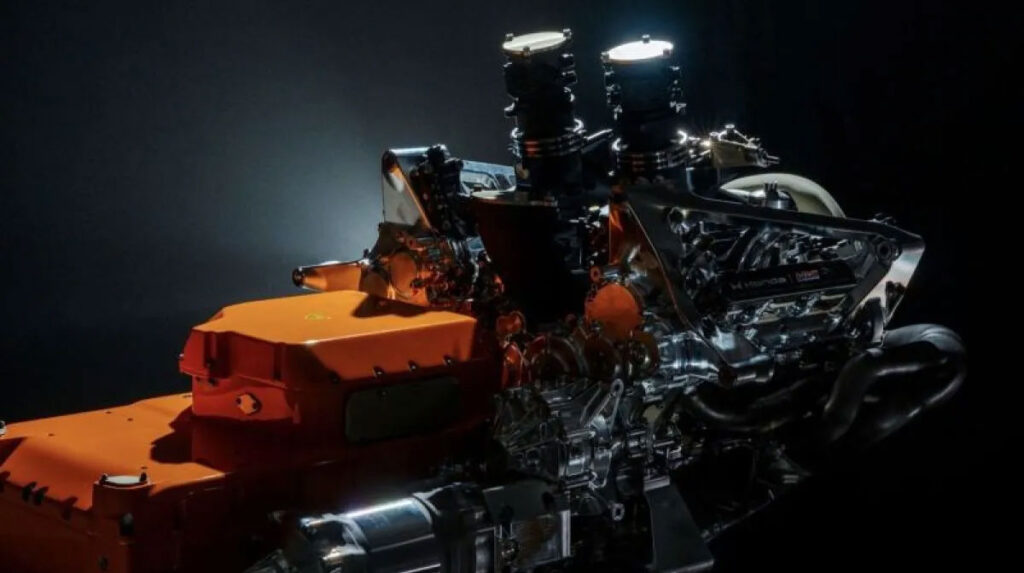
You feel the pull of raw engineering the moment you learn what powers a Formula 1 car: a handcrafted, hybrid power unit that packs race-winning power, extreme efficiency, and cutting-edge materials into every component. These machines cost millions to develop and maintain because they combine peak performance, advanced hybrid systems, and aerospace-grade engineering that trickles down into road-car technology.
You’ll explore how F1 cars became a luxury, exclusive class of automotive excellence—why teams pour vast budgets into engines, how F1 tech influences production cars, and what rising sustainability goals mean for the next generation of power units. The article will also examine cultural prestige and the financial calculus behind keeping F1 at the top of automotive innovation.
F1 Cars as a Pinnacle of Automotive Technology
You will see how F1 advanced from lightweight chassis and basic engines to hybrid power units, extreme aerodynamics, and data-driven development. Expect specific examples of materials, systems, and team practices that push road cars and other industries forward.
Historical Evolution of F1 Engineering
F1 began with simple tubular frames and naturally aspirated engines; by the 1960s teams moved to monocoque aluminum chassis and then carbon-fiber in the 1980s, which revolutionized stiffness-to-weight ratios. Engine architecture evolved from large-displacement V8s and V12s to turbos in the late 1970s–’80s, then to the modern 1.6L turbo hybrid V6 introduced in 2014 for higher efficiency.
Safety and electronics shaped progress. Survival cell design, energy-absorbing structures, and the Halo cockpit device raised driver protection. Electronic control units (ECUs), telemetry, and sensors moved teams from intuition to precise, measurable performance tuning.
Cutting-Edge Innovations in F1 Design
Aerodynamics: you’ll find highly optimized wings, diffusers, and complex bargeboards that generate massive downforce while controlling drag. Computational Fluid Dynamics (CFD) and wind-tunnel validation create repeatable, minute aero gains.
Powertrain: modern power units combine a high-efficiency internal combustion engine with two energy-recovery systems (MGU-K and MGU-H) that harvest kinetic and heat energy to boost power and reduce fuel use. Thermal management, turbocharging, and seamless-energy deployment deliver lap-critical performance.
Materials and manufacturing: teams use aerospace-grade carbon fiber, titanium, and advanced composites. Additive manufacturing (metal 3D printing) produces lightweight, intricate parts — for example, custom turbine housings and heat exchangers that balance strength and minimal mass.
Role of Research and Development
F1 teams operate like advanced tech labs with dedicated departments for aero, powertrain, controls, and materials. You’ll see continuous iteration: thousands of CFD runs, wind-tunnel models, and on-track tests each season to refine components within regulatory limits.
Data and connectivity drive decisions. Cars carry hundreds of sensors that stream telemetry in real time; engineers analyze tire temperatures, suspension loads, and fuel flow to adjust strategies and component designs. Collaborations with universities and suppliers accelerate transfer of innovations to road cars, motorsport teams, and industries such as aerospace.
Key R&D practices:
- Rapid prototyping cycles (CNC + 3D printing) for week-to-week part development.
- Integrated simulation chains linking aero, structural, and thermal models.
- Strict testing protocols to validate reliability under extreme loads.
Luxury and Exclusivity of F1 Machines
You will find that Formula 1 cars combine extreme rarity, hand-built customization, and materials sourced or developed for peak performance. These elements create products that function as track weapons and as collectible, status-bearing artifacts.
Limited Production and Customization
F1 chassis and race-ready customer cars are produced in tiny numbers—often one full-spec race car per driver per season—with spare parts made in limited batches. You should note teams build homologated components only as needed; a complete chassis or a set of gearbox housings might exist in single-digit quantities. This scarcity drives value and restricts ownership to teams, museums, or deep-pocketed collectors who can access decommissioned items.
Customization focuses on track-specific aerodynamic setups, suspension geometry tuned for particular circuits, and bespoke electronics calibrations. You will see every major component logged, serialized, and frequently replaced rather than mass-produced, preserving uniqueness and traceability.
Collaboration With Elite Brands
Top teams partner with premium suppliers and luxury brands to develop both performance parts and branded artifacts. You will encounter collaborations with engine builders, telemetry specialists, and composite manufacturers who also serve aerospace or high-end watchmakers. These partnerships often yield limited-edition road cars or commemorative pieces that carry F1-derived technology and branding.
Sponsorship and technical ties also produce client-specific packages: bespoke liveries, tailored cockpit ergonomics, and exclusive merchandise. You can expect co-branded items—helmets, timepieces, and carbon-fiber accessories—that command prices well above standard commercial equivalents because of their provenance and joint engineering pedigree.
Unique Materials and Finishes
F1 cars use materials selected for weight, strength, and thermal performance. You will find advanced carbon-fiber pre-pregs, high-modulus unidirectional fibers, titanium alloys for suspension components, and Inconel or specialized steels for exhaust systems. These materials undergo rigorous layup schedules and heat treatments that you won’t see in mass-market cars.
Finishes are often functional and ceremonial: anti-glare textures, ceramic thermal coatings, and hand-applied lacquered sponsor graphics. When items reach collectors, teams sometimes add plaque-mounted serial numbers or bespoke finishes—polished titanium bolts, anodized aluminum panels, or limited-run paint schemes—that increase exclusivity while preserving the part’s engineering intent.
Financial Investment in F1 Supercars
You face multi-layered costs that include car development, operations, and personnel. Revenue mixes from sponsors, prize money, and commercial rights offset some expenses but rarely cover top-tier engineering outlays.
Cost Structure and Budget Breakdown
You should expect an annual team budget that ranges from tens to hundreds of millions of dollars depending on scale. Top teams historically spend north of $200–400M before cost caps, while midfield squads operate with much smaller envelopes closer to $100M or less.
Major line items:
- Power unit development and supply: engines and hybrid systems can represent 20–30% of technical spend.
- Chassis, aero, and materials: carbon fiber monocoques, wind‑tunnel and CFD work, and bespoke components are significant fixed costs.
- Personnel and R&D: engineers, designers, and trackside crew form a large recurring payroll.
- Logistics and race operations: transport, freight, and hotel costs accumulate over a global calendar.
You must also factor capital outlays for tooling, simulator time, and compliance with technical and safety regulations. Budget caps in recent years constrain spending areas but you still need targeted investment to gain lap-time advantages.
Sponsorship and Revenue Streams
You rely on multiple income sources to fund the car and team operations. Primary revenues include title and technical sponsorships, driver partnership deals, commercial rights distributions, and prize money.
Key components:
- Title and principal sponsors: long‑term contracts bring the largest commercial inflows and often include technology partnerships.
- Technical partners: suppliers may provide discounted parts or R&D funding in exchange for development data or branding.
- FIA/Liberty payouts: you receive a portion of commercial rights and championship prize money based on results and historical agreements.
- Merchandising and hospitality: trackside VIP packages and licensed merchandise add incremental income.
You should negotiate sponsor terms that link payments to marketing deliverables and on‑track performance. Diversifying revenue reduces exposure to a single partner withdrawing funding mid‑season.
Impact on Team Performance
Your spending decisions translate directly into lap-time gains or losses. Increased investment in aerodynamics, power unit integration, and simulation facilities typically yields measurable on‑track improvements.
Examples of performance impact:
- Aerodynamic spend: more wind‑tunnel time and CFD cycles allow finer aero maps and better race pace.
- Power unit development: budgeted upgrades can provide key straight‑line speed and energy recovery efficiency.
- Human capital: hiring experienced race engineers and strategists improves pitstop execution and race strategy choices.
You must balance short‑term upgrades versus long‑term platform development. Overspending on one area can create weaknesses elsewhere, so allocate resources based on data-driven performance metrics and targeted gains per dollar spent.
F1 and Road Car Technology Transfer
F1 development pushes engine efficiency, aerodynamics, and safety into real-world cars. You gain improved performance, lower emissions, and stronger crash protection when manufacturers adapt racing-derived tech.
Innovations Transitioning From Track to Street
F1 hybrid powertrains refined energy recovery and packaging; you now see compact turbo-hybrid systems and regenerative braking in high-performance road cars. Teams optimized thermal management and lightweight materials—titanium, carbon composites, and exotic alloys—so engines and cooling systems run hotter and lighter without sacrificing longevity.
Aerodynamic lessons—diffusers, vortex control, and underbody flow—translate into better stability and fuel economy on production cars. Brake-by-wire and carbon-ceramic brakes from the track give you shorter stopping distances and fade resistance under repeated heavy use. Electronics and telemetry advances created robust engine control units (ECUs) and sensor networks that improve diagnostics, emissions control, and drive-mode tuning in everyday vehicles.
Examples of F1 Influence on Consumer Vehicles
Mercedes-AMG ONE directly borrows the F1-derived turbo-hybrid V6 and energy recovery architecture, showing how race packaging can work in a road-legal car. Paddle shifters and sequential-style gearbox mapping, once exclusive to the cockpit, now provide faster, more consistent shifts in many performance models you can buy.
Adaptive suspension concepts—active dampers and ride-height control—originate from track setups and give you both comfort and cornering precision. Safety systems such as advanced crash structures and improved helmet/seat integration echo F1 crash science, lowering occupant injury risk. Even software-driven tools like predictive telemetry and launch-control trace back to race-team strategies, helping you extract repeatable performance on the street.
Global Status Symbol and Cultural Influence
F1 machines project extreme engineering and unmistakable prestige across the world. They shape fashion, media, and ownership trends while signaling technological leadership and personal status.
F1 Cars in Popular Culture
You see F1 technology and imagery in films, video games, and high-end advertising that emphasize speed and precision. Movies like mainstream racing dramas use real-team liveries and telemetry graphics to lend authenticity, while AAA racing titles reproduce tyre wear, DRS and hybrid deployment so players experience technical depth.
Brands borrow F1 aesthetics for watches, sunglasses, and lifestyle lines to connect products with performance engineering. Sponsorships and grand prix staging in cities such as Monaco and Singapore turn races into cultural events that attract art shows, concerts, and luxury hospitality.
You should note how F1’s broadcast graphics and team storytelling create heroes and narratives that reach non-technical audiences. That storytelling elevates engineering detail into aspirational symbols people recognize globally.
Celebrity and Collector Appeal
Celebrities and ultra-high-net-worth collectors use F1 association to signal exclusivity and connoisseurship. You find celebrities attending paddocks, purchasing team-branded track experiences, or commissioning race-derived hypercars with bespoke liveries and interior materials inspired by cockpit carbon fiber and Alcantara.
Collectors prize chassis, race-used parts, and limited-run homologation cars for provenance and investment potential. Auction houses list F1 memorabilia—race-worn helmets, signed steering wheels, and retired cars—that often command six- to seven-figure prices because of documented race history and driver significance.
If you follow auctions and social media, you’ll notice teams and manufacturers monetizing this appeal through ownership programs, factory tours, and VIP access that package technological cachet with lifestyle exclusivity.
Environmental and Sustainability Initiatives
You will see Formula 1 investing in hybrid power units and sustainable fuels to reduce lifecycle emissions while preserving performance. These technologies lower fuel consumption on track and drive innovations that can transfer to road cars.
Teams and the sport commit to a 2030 net-zero carbon target through measures across operations, logistics, and event hosting. You can expect greater use of renewable energy at factories and race venues, plus optimized freight and travel plans to cut emissions.
F1 promotes circularity by increasing use of recyclable materials and lightweighting parts to improve efficiency. You benefit when technology developed for reliability and weight reduction leads to more efficient consumer vehicles.
Key actions you should note:
- Hybrid systems: Recover and reuse energy to boost efficiency.
- Sustainable fuels: Aim to match high performance with lower carbon intensity.
- Operational changes: Renewable energy, logistics optimization, and waste reduction.
You may notice enhanced transparency from the sport and teams about progress, targets, and data. That helps stakeholders verify claims and track measurable improvements over time.
Future Trends in F1 Automotive Excellence
You will see hybrid and electric integration deepen as regulations push for greater efficiency and lower emissions. Expect power units to combine refined internal-combustion designs with more powerful, smarter electric systems that recover and deploy energy with higher precision.
You will notice advanced materials and manufacturing methods cut weight and boost strength. Additive manufacturing (3D printing) and new composites will let teams produce bespoke parts faster and with complex geometry previously impossible.
You will rely increasingly on data-driven development and simulation. Real-time telemetry, high-fidelity CFD, and AI-assisted modeling will shorten development cycles and let you test aerodynamic and thermal solutions virtually before track validation.
You will experience improvements in safety through sensor fusion and smarter systems. Enhanced crash structures, predictive algorithms for failure detection, and improved cockpit protection will continue to reduce risk without sacrificing performance.
You will encounter more sustainable fuels and lifecycle thinking across the sport. Synthetic fuels, biofuels, and stricter materials recycling will lower the environmental footprint of race programs and influence road-car technology transfer.
Key areas to watch:
- Hybrid power evolution: greater electric torque and energy-storage efficiency.
- Materials & manufacturing: advanced composites and additive parts.
- Digital engineering: AI, simulation, and edge computing.
- Sustainability: low-carbon fuels and circular-material strategies.
You should expect these trends to shape not only what you see on the grid, but also the technologies that migrate from F1 into everyday vehicles.